
 Drum Atlas
Yamaha DX7

Six operators, 32 algorithms and a different way to build sound.
Yamaha introduced the DX7 in 1983.
- Voices
- 16
- Keys
- 61
- Sound design
- FM
- Introduced
- 1983
Sound & character
The original DX7 makes sound with six digital operators. An operator can be audible or modulate another operator. The selected algorithm determines the connections. Its 61 keys respond to velocity and pressure; it plays up to sixteen voices.
Model & versions
Yamaha introduced the DX7 in 1983. The flat membrane panel and green controls reflected its digital approach. This dossier covers the first DX7; DX7II and DX7s have their own manuals and should be identified as separate models when buying.
How the sound works
Choose a function; operator connections depend on the algorithm.
Operators
Each operator combines a sine source with its own envelope. A modulator changes another operator’s spectrum.
What to checkTest several presets and vary operator level and frequency ratio.
Open the manual ↗Explore in depth
An operator has two roles
A carrier produces audible sound; a modulator influences another operator. The same operator can take a different role in another algorithm. Frequency relationships and modulation level help determine whether the result sounds harmonic or metallic.
Algorithms are connections

Six operators can be connected through 32 algorithms. Their numbers are neither quality rankings nor an effects chain. Read the diagram: which operators reach the output, and which mainly influence the timbre of other operators?
Sound evolves during a note
Each operator has an envelope with four rates and four levels. Carrier envelopes shape loudness; modulator envelopes alter timbre. Velocity and aftertouch depend on programmed sensitivity: a patch that ignores pressure does not by itself prove faulty aftertouch.
Memory, cartridges and model identity
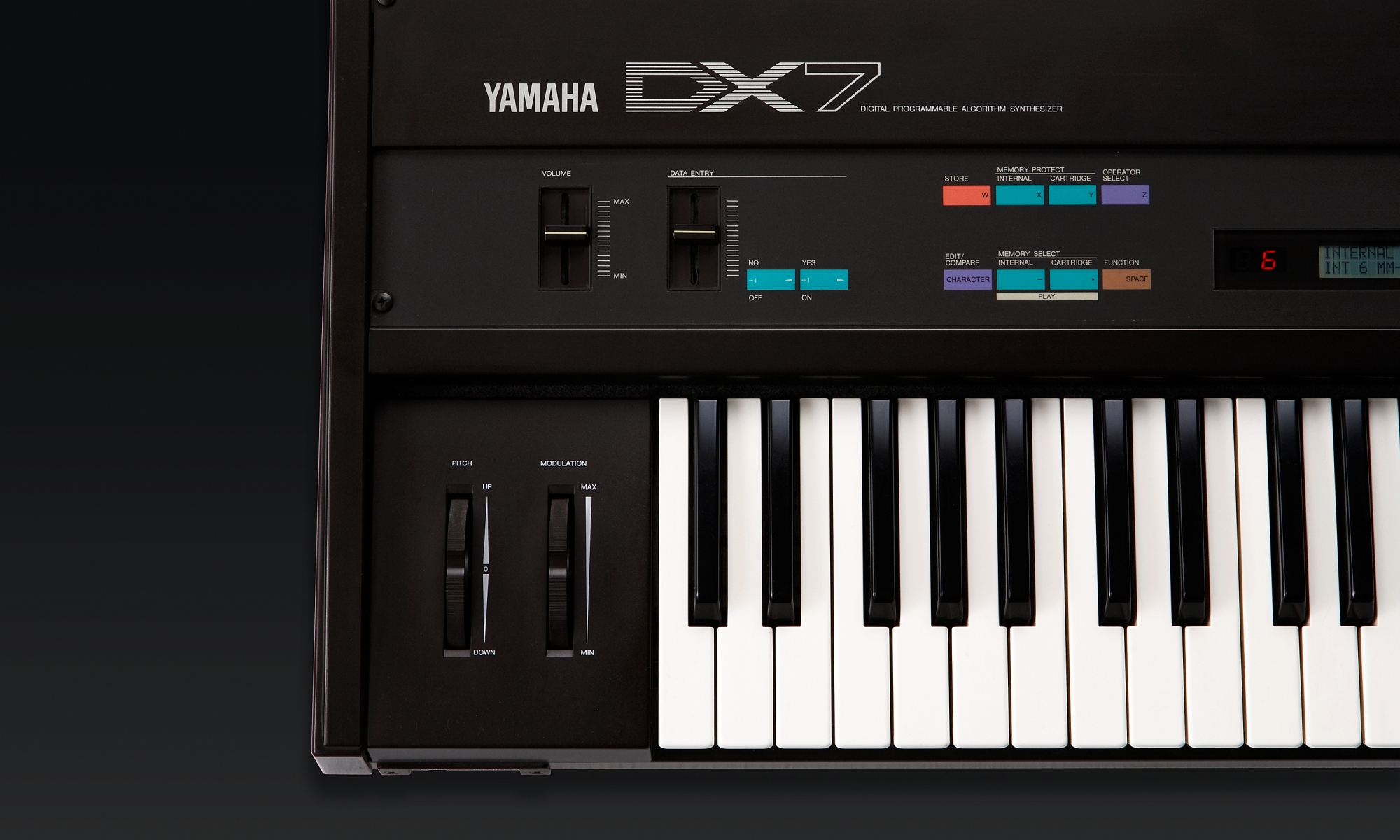
The original DX7 has 32 internal programs and a cartridge slot. Check whether an included cartridge is ROM or RAM and use the correct write protection. DX7II and DX7s are different models: assess features, connections and backups using their own manuals.
Yamaha · DX7 Operating Manual ↗ · Yamaha · Manual Library · DX7-familie ↗
Try listening yourself
A short listening exercise on the instrument. Use a copy of your sound and change one setting at a time.
- Work on a patch copy. Identify a carrier and its modulator in the algorithm diagram.
- Change only that modulator’s output level. Listen to timbre, not just volume.
- Compare a short and a longer modulator envelope, then play softly and firmly using a velocity-sensitive patch.
An editorial exercise, not our own listening test or a built-in audio demo.
Specifications & sources
- Keys
- 61
- Voices
- 16
- Sound source
- 6 operators · FM
- Algorithms
- 32
- Program memory
- 32 intern
- Connection
- MIDI
- Operator-envelopes
- 4 rates · 4 levels
- Cartridge
- ROM / RAM
Sources checked: 7 October 2026.
This dossier covers the original hardware. Controls and technical data are based on manufacturer documentation; buying checklists are our editorial suggestions. No in-house listening test or valuation.
Experiences & questions
Loading experiences…
Explore more
Vintage Corner →
JUNO-106
One oscillator per voice, six voices and a chorus that widens the sound.
Open dossier →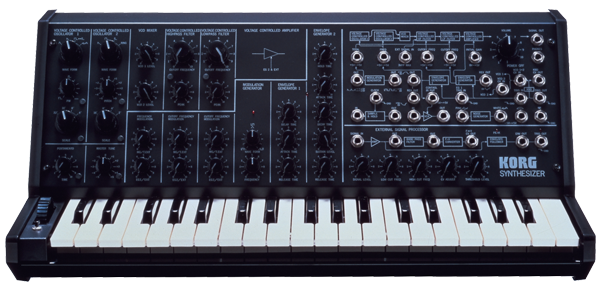
MS-20
Two oscillators, high- and low-pass filters and a patch panel for new connections.
Open dossier →